The Quiet Death of “Good UX” (And Why Most Digital Products Are Becoming Invisible)

The Quiet Death of “Good UX” (And Why Most Digital Products Are Becoming Invisible)
For years, “good UX” was enough.
Clean layouts. Clear navigation. Reasonable load times. No obvious friction.
Today, that’s table stakes.
And quietly, products that rely on “good UX” are disappearing.The Quiet Death of “Good UX” (And Why Most Digital Products Are Becoming Invisible)
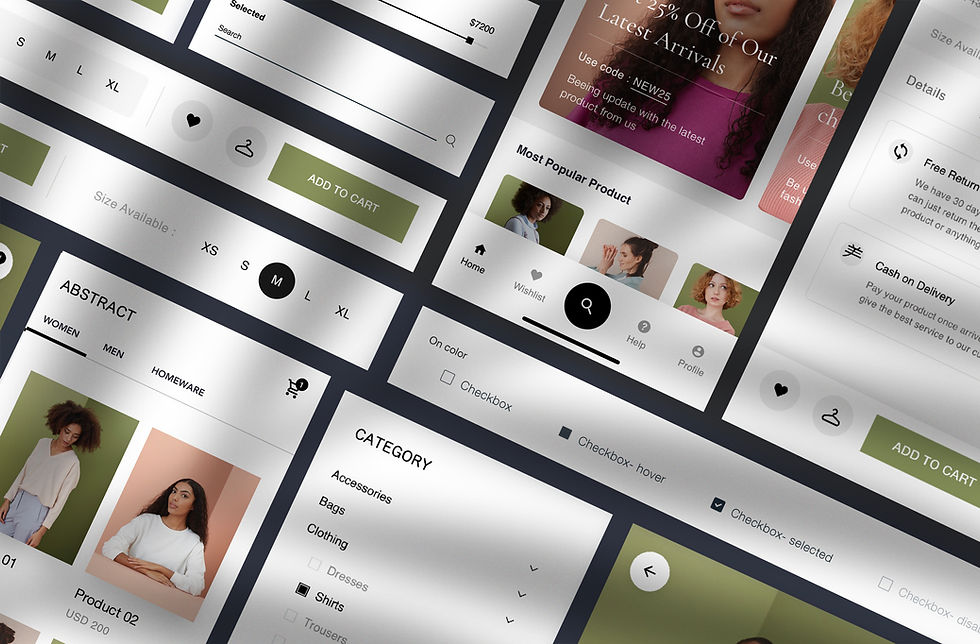
Good UX no longer creates advantage
Most teams optimize for correctness:
Fewer errors
Fewer complaints
Fewer usability issues
What they don’t optimize for is memorability.
A product can be easy to use and still be completely forgettable.
And forgettable products don’t survive in attention-scarce environments.
Users don’t compare experiences anymore — they filter them out
The real competition isn’t another website or app.It’s everything else demanding attention.
When users open your product, they’re subconsciously asking:
“Is this worth my cognitive energy right now?”
If the answer isn’t immediately clear, the experience is discarded — not criticized, not analyzed. Just ignored.
This is the new failure mode of digital products: invisibility.
Familiar patterns are becoming a liability
Design systems, UX heuristics, and best practices created consistency.
Now they create sameness.
When everything follows the same patterns:
Nothing stands out
Nothing feels intentional
Nothing feels owned
Users don’t remember flows.They remember moments.
And most “good UX” designs actively eliminate moments in the name of safety.
Friction isn’t the enemy — meaningless friction is
The industry spent a decade removing friction.
In the process, it also removed:
Tension
Anticipation
Emotional pacing
Great experiences aren’t frictionless.They’re purposefully shaped.
A pause.A reveal.A decision that feels deliberate.
When everything is smooth, nothing feels meaningful.
The next UX advantage is emotional clarity
The products that will win aren’t just usable. They are emotionally legible.
Users instantly understand:
What this product is really for
Why it exists
What role it plays in their life
This isn’t achieved through UI polish.It’s achieved through intentional experience design.
Design that makes choices.Design that excludes.Design that commits.
Designing for recognition, not approval
Most teams design to avoid complaints.
The best teams design to be recognized.
That means accepting:
Not everyone will like it
Not every use case is supported
Not every metric goes up immediately
But the product becomes mentally sticky.
And in today’s digital landscape, being remembered is more valuable than being liked.


Comments